







Search Results for: with degree
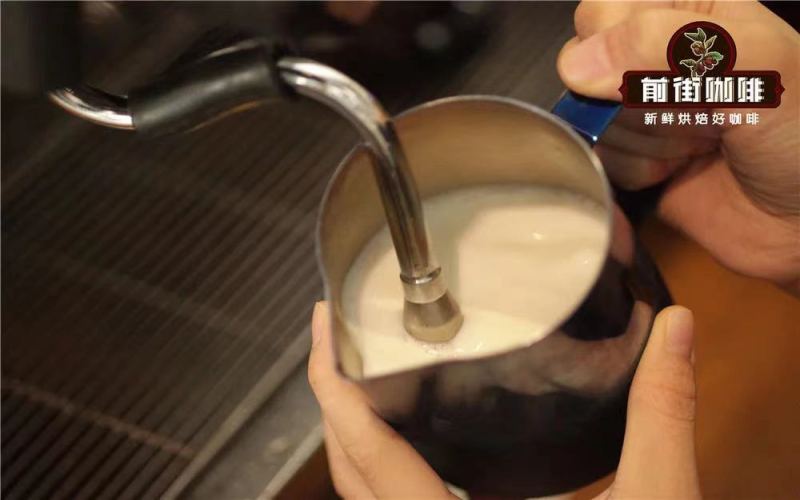
Latte art tutorial | Why does milk foam? How can coffee beginners make latte art? What are the techniques for steaming milk for a latte?
Guide to Getting the Best Milk Foam, Why Does Milk Foam? Front Street Coffee (FrontStreet Coffee) - it can be said that steaming milk is a fundamental and core skill for every barista; whether one can steam perfect milk is a factor in judging whether the barista's skill level is up to standard. [more…]
Milk Frothing Tutorial for Beginners | Why Does Milk Foam? How to Froth Milk for a Latte? What Are the Steps and Techniques for Latte Art Pouring and Integration?
At FrontStreet Coffee, steaming milk can be said to be a basic and core skill for every barista. Whether one can steam perfect milk is one of the factors used to judge whether a barista's level is up to standard. For example, the milk foam in a latte is on the thinner side, making it smooth and delicate to drink. The [more…]

Coffee Roasting | How Is the Roast Level of Coffee Beans Determined? What's the Difference Between Espresso Beans and Pour-Over Beans? Which Tastes Better for Huakui Coffee: Medium Roast or Light Roast?
Many friends who want to learn about coffee bean roasting are curious about one question: how to determine the roasting degree of coffee beans. Should a coffee bean be dark roasted or light roasted, and then how light should light be, and how dark should dark be? On what basis does Front Street Coffee determine the roasting of all these coffee beans it sells? [more…]

The Roast Degree Migration of Home Espresso: From Dark Roast Beginner to Medium-Light Adventurer
Many people start their espresso journey with dark roast beans—rich caramel and dark chocolate, with a prominent, straightforward bitterness that, once combined with milk, becomes almost a liquid dessert. The barrier to entry is low, and it fits the general public's initial idea of coffee. But the world of coffee flavor is far broader than this stretch. As the number of shots pulled increases, many people naturally begin to [more…]
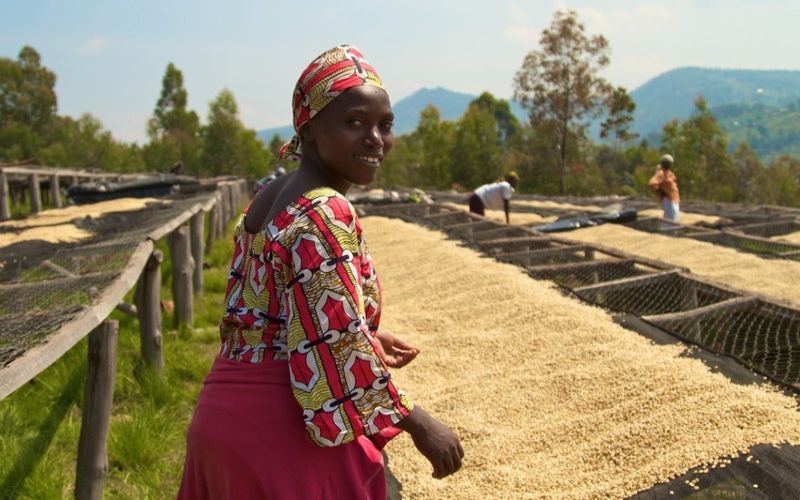
Home espresso machines can also make SOE: adjust parameters by roast level.
A shot of espresso with floral aromas, fruity acidity, or cocoa-like sweetness doesn't have to rely on café equipment to achieve. SOE refers to espresso made from single-origin or single-batch coffee beans, and home semi-automatic machines can give it a try too. As long as the machine's temperature control, pressure, and grinder perform consistently, you can work your way from light roasts to dark roasts and gradually find the right [more…]
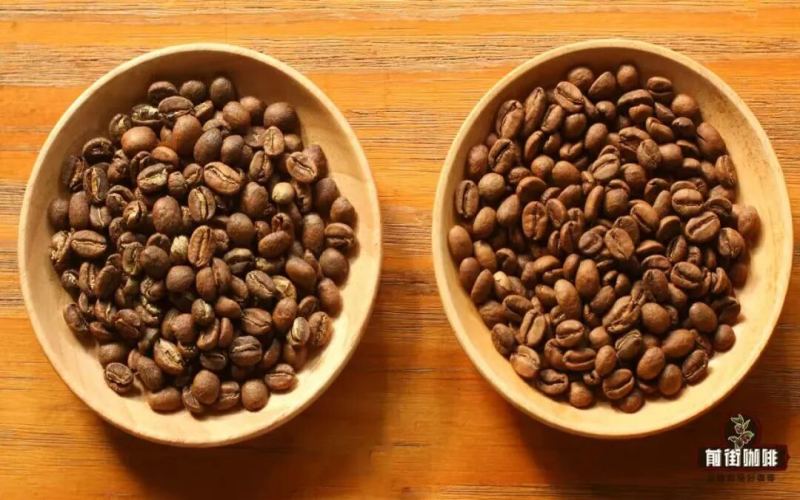
Coffee Bean Identification | What Are the Differences Between Washed and Natural Coffee? How Can Coffee Beginners Learn to Tell Natural Beans from Washed Beans?
If you often drink pour-over coffee, Front Street believes you've probably seen friends who can tell washed and natural processed coffee apart at a glance, or with a single sip. Because they distinguish them so quickly, many friends are amazed and wonder how on earth they do it. Just yesterday, [more…]

Coffee Brewing Water Temperature | What water temperature is suitable for drip coffee brewing? How does water temperature affect the extraction process of pour-over coffee?
For more specialty coffee knowledge, please follow: Front Street Coffee (Frontsteet Coffee) Many friends in their daily lives, when brewing pour-over coffee, do not use a thermometer and brew a coffee bean with an approximate water temperature, and then because the taste is different every time, they start to question whether it is the coffee bean. [more…]
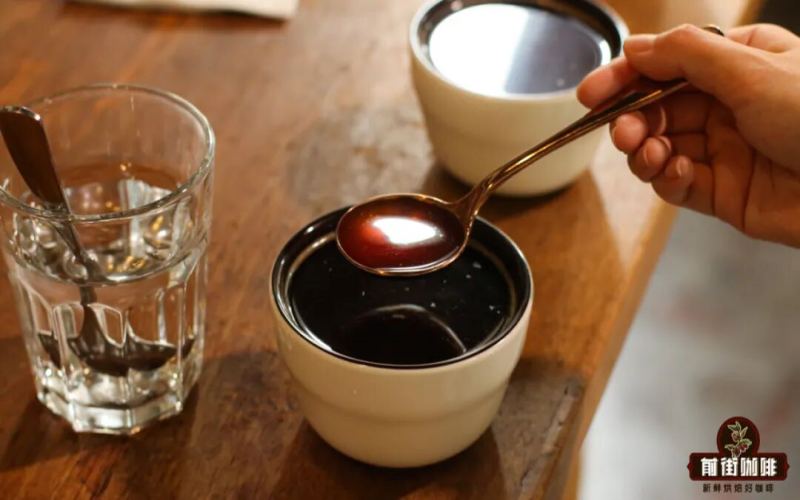
Coffee Bean Processing Methods | What Is the Simon Special / Bag Fermentation Coffee Processing Method? What Characteristics Do Coffee Beans Treated with the Simon Special Process Have?
Whether sun-dried or washed, coffee processing originally existed simply to dry the beans so they could be stored conveniently. But once people discovered that different processing methods give coffee different flavor variations, more and more processing methods emerged to serve flavor. For example, now [more…]

Coffee Roast Levels | What Determines Coffee Bean Roast Degree and How Does It Affect Coffee Flavor? What's the Difference Between Dark, Medium, and Light Roasted Coffee Beans?
60% of coffee's flavor comes from green beans, 30% from roasting, and 10% from brewing. It's clear that many factors influence coffee flavor. So, as a roaster, how do you decide the roast level of coffee beans? Today Front Street will talk about determining the roasting style. There are two points to keep in mind—cof [more…]
What Is the Coffee Belt: Why Coffee Is Grown on Both Sides of the Equator
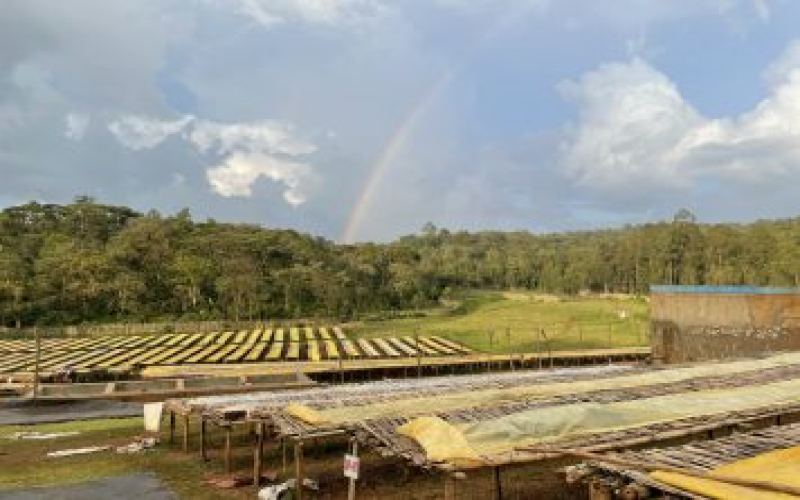
Open the world coffee-growing regions map, and you'll notice an interesting pattern: the major growing regions are almost all concentrated in a band on either side of the equator. This band is called the Coffee Belt. Understanding it means understanding the broad framework of coffee origins and flavors. Where is the Coffee Belt? The Coffee Belt lies roughly between the Tropic of Cancer and the Tropic of Capricorn, that is, [more…]

Latte Milk Foam Steaming Tutorial with Illustrations | What Are the Requirements for Milk When Making Latte Art? What Techniques Should Coffee Beginners Pay Attention to When Steaming Milk Foam for Latte Art?
To make latte art look good, choosing the right milk is very important! Front Street Coffee's daily in-store milk coffee offerings all use full-fat fresh milk, because it is rich in protein, lactose, and milk fat. The protein in milk is what makes the milk foam stable. [more…]
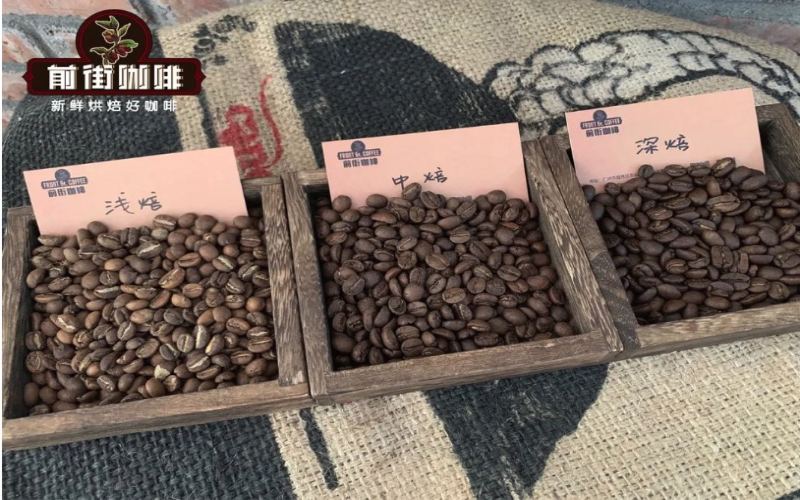
The degree of roasting of coffee beans is determined based on what?
The flavor of coffee, 60% comes from the raw beans, 30% comes from roasting, and 10% comes from brewing. It can be seen that there are many factors affecting the flavor of coffee. Then, as roasters, how to determine the degree of roasting of coffee b [more…]
Coffee Bean Buying Guide | How can coffee beginners find the coffee beans that suit them? What flavor characteristics do coffee beans with different processing methods each have?
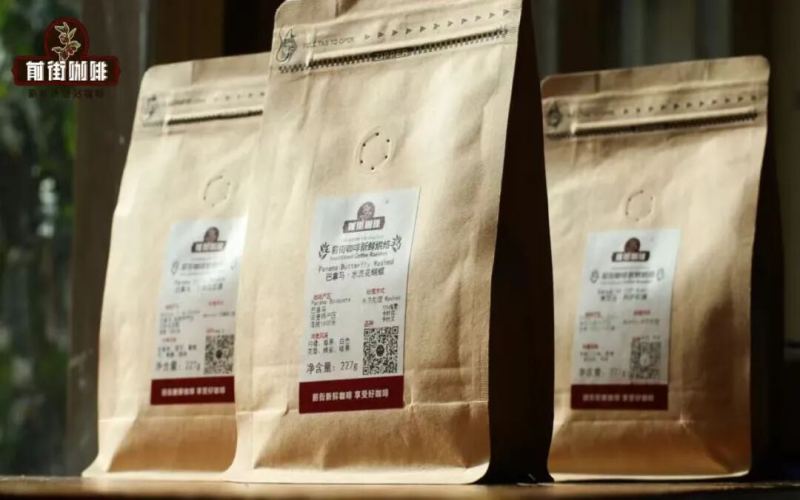
Front Street often receives many questions like these: "What beans are suitable for a moka pot?", "What beans are suitable for a coffee machine?", or "What beans are suitable for cold brew?"... Many beginners mistakenly believe that a certain extraction method has the most suitable coffee beans, but in reality, regardless of [more…]

Pour-over coffee channeling | How to judge whether the filter paper is aligned with the coffee dripper? Why should the filter paper be moistened with water to adhere tightly when making pour-over coffee?
For most people, wetting the filter paper is the default first step before brewing coffee, with two main purposes: one is to make the filter paper fit snugly, and the other is to rinse off the dust adsorbed on the paper. If hot water is used, it can also preheat the equipment along the way. In the vast majority of tutorials, aside from guiding us on how to make the filter paper adhere closely [more…]

Robusta Coffee Beans | Why is Robusta rarely seen in specialty coffee? What are the characteristics of the Robusta coffee variety?
Front Street believes everyone has probably heard of Arabica coffee. Currently, the coffee in specialty coffee shops on the market is mostly Arabica coffee beans, just like the coffee varieties at Front Street Coffee, which basically all belong to Arabica coffee. But today, Front Street wants to introduce one of the three major coffee varieties, Robu [more…]
Pour-over coffee knowledge | Why doesn't the coffee bed puff up during blooming? Does a single-origin bean that doesn't puff up mean poor quality? Does a bigger coffee bed puff mean the coffee is fresher?
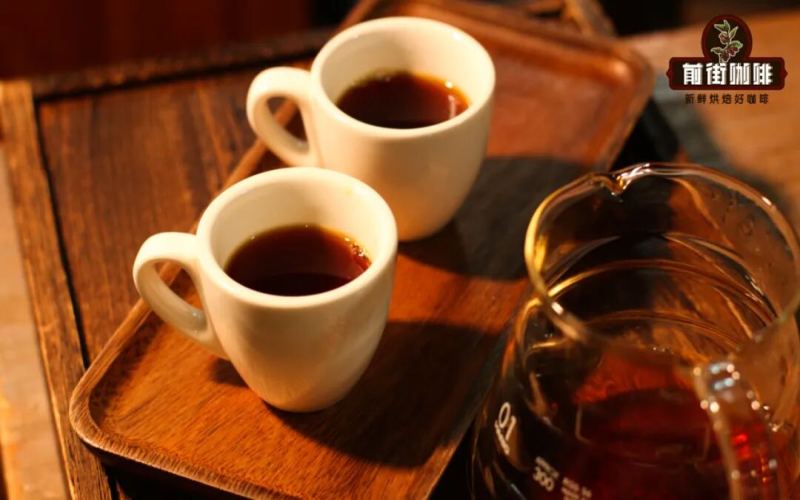
Whenever Front Street brews a pour-over for a customer's order, if the coffee bed puffs up quite a bit during blooming, there's a good chance the customer will ask: "Why doesn't my coffee bed puff up this much when I brew?" This is a topic Front Street often discusses! Honestly, although the bloom [more…]
A Complete Guide to Arabica Coffee: From Botanical Classification to Variety Characteristics and Origin Distribution
What exactly does a coffee tree look like? What is the essential difference between Arabica and Robusta? Starting from botanical classification, this article systematically sorts out the complete classification system of the genus Coffea and explains in detail the origins, growing conditions, flavor characteristics, and main subspecies of the two major commercial varieties, Arabica and Robusta. You will learn about the anatomical structure of the coffee cherry, the spread paths of classic subspecies such as Typica and Bourbon, and the genetic connections between Yunnan small-bean coffee and Blue Mountain and Kona. Whether you are a beginner enthusiast or a seasoned professional, this basic knowledge about coffee varieties is worth reading. Front Street Coffee will also recommend variety information worth paying attention to in this article. [more…]

SCA Specially coffee flavor wheel | Understanding the flavor wheel is the first step in learning the flavors of coffee.
As an authoritative coffee flavor guide map, as long as it is used properly, the new partners who join can quickly categorize the flavors presented by the coffee, and after learning it, combined with practice, mastering the coffee flavor is simply a [more…]
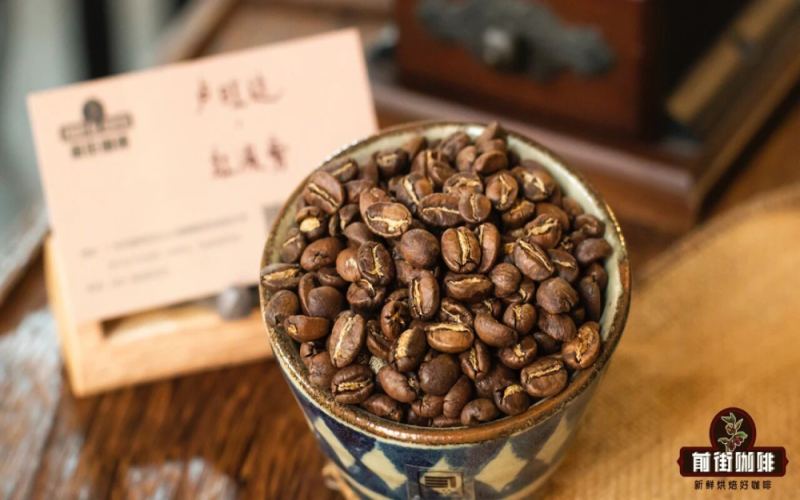
Pour-over Coffee Brewing Essentials | Is pour-over coffee difficult for beginners? What are some recommendations for tasty and affordable single-origin coffee beans suitable for pour-over?
Pour-over coffee is a type of drip brewing, where a coffee dripper paired with filter paper or another filtering medium traps the coffee grounds, ultimately yielding a clean, clear cup of coffee. Pour-over typically uses single-origin coffee beans, but with so many varieties on the market, how do we quickly pick the one that suits us? The simplest way [more…]

Latte Coffee Making Guide: Espresso Bean Selection and Hot Latte Step-by-Step Instructions
Latte coffee, with its blend of espresso and fresh milk foam, has become the drink that many people use to start their day. To make a delicious espresso latte, the choice of coffee beans, the espresso extraction parameters, and the degree to which the milk is steamed all directly affect the final flavor. Starting from the composition of the ingredients, this article introduces two Front Street espresso blend beans suitable for making lattes, and breaks down in detail the process of making a hot latte, including key details such as dose, liquid yield, extraction time, and milk foam temperature and thickness, helping coffee lovers reproduce at home a latte that is smooth in texture and full in flavor. [more…]